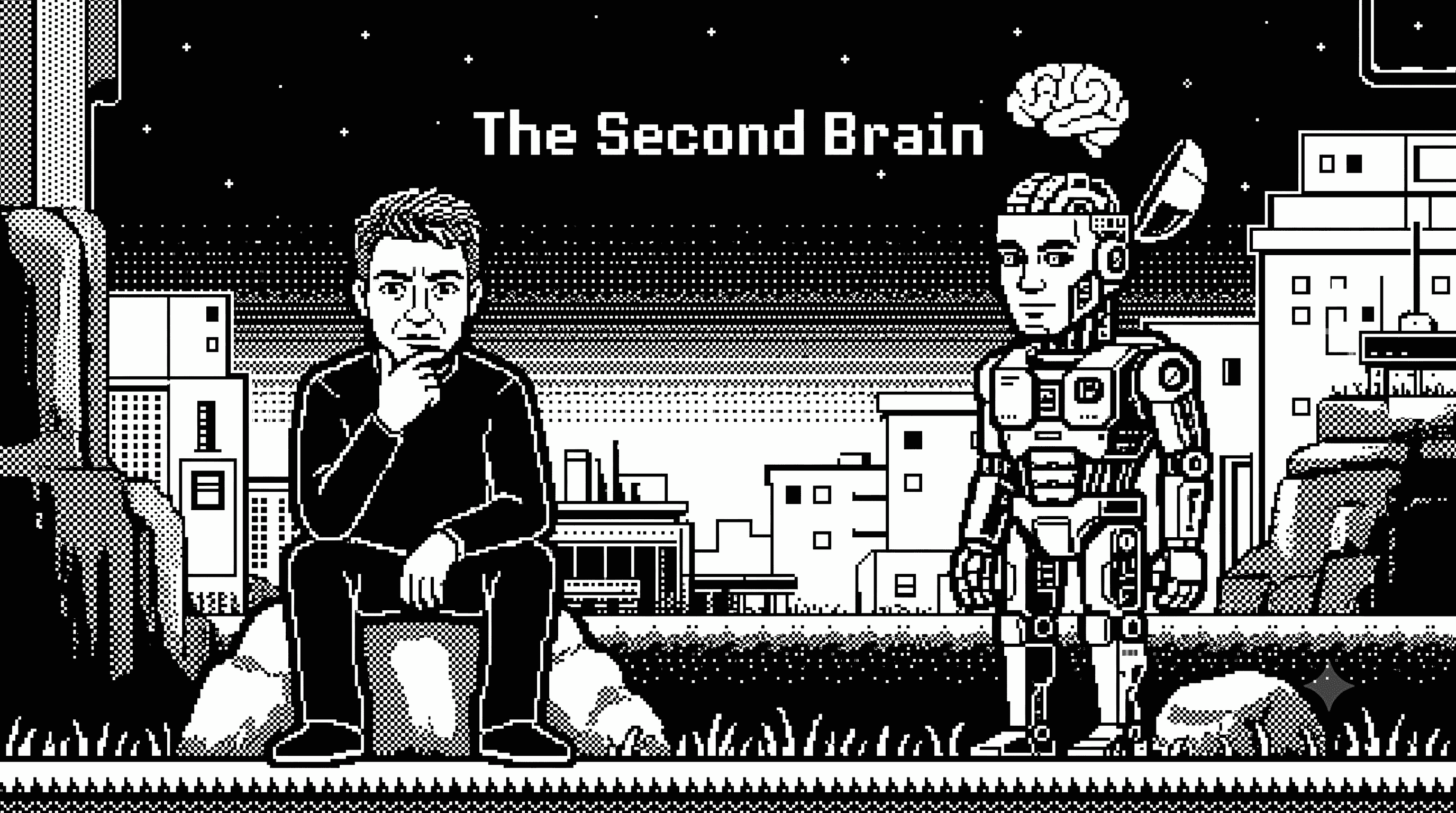
Every time you open a new chat with Claude, it forgets you. Your job, your taste, how you like to be spoken to. You explain it again, get your answer, close the tab, and all of that context is gone. Next chat, same thing.
So we built a fix and put it on GitHub for free.
What is a second brain for Claude
It is one folder on your computer. You point Claude at it, and it reads everything inside before it answers. You set this up once and it sticks. The whole thing is plain markdown files you own and can open yourself. Nothing to install, no database, no Obsidian, no Python.
The two files that give Claude your context
Inside, two files matter more than the rest. about-me.md is who you are: your role, your level, how you want Claude to talk to you. voice-and-brand.md is how you sound: your style, your words, the phrases you would never use.
Get these two right and the output stops sounding like a generic robot wearing your name tag. This is the part most people skip, and it is the part that does the work.
Set up your second brain with onboarding
You do not fill in a blank template by hand. You say run onboarding, and Claude asks a few plain questions, then writes those two files in your own words. About 5 to 10 minutes. You do it once and the foundation is set well.
The capture, process, use workflow
After that the habit is three steps.
Capture: dump anything into 01-ideas. A screenshot, a tweet you saved, a random recipe, a half-formed thought. No tidying.
Process: say process the inbox and Claude sorts each item into the right place, projects, areas, wiki, resources, or archive. If it is not sure where something goes, it asks you first.
Use: ask your brain anything, and the answer comes back with your context and in your voice.
Claude shows its plan before changing any file
This is the part I care about most. Claude does not move, overwrite, or delete a single file without showing you the plan first and waiting for your yes. You stay in control of your own folder, every step.
Download the free, open-source second brain
It is free, open source, and MIT licensed, and it lives on your computer instead of someone else’s server. Download it, use it, share it with a friend, rename the folder, change whatever you want.
Grab it on GitHub and point Claude at it today.